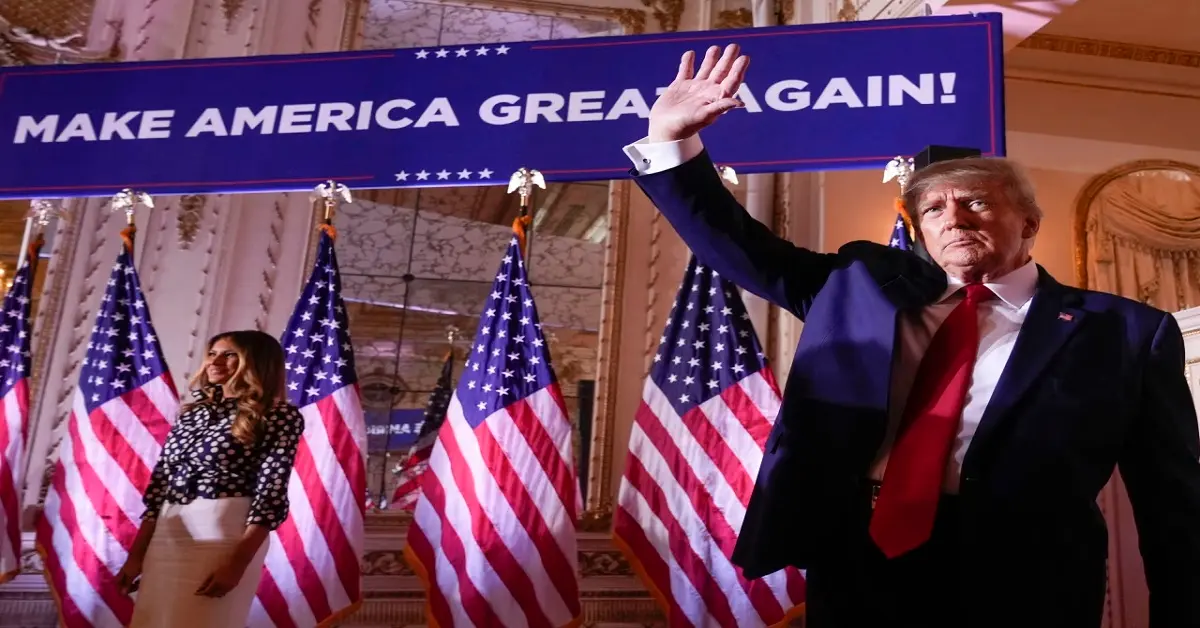
Trump Make America Beautiful Again Commission
Table of Contents
The Trump Make America Beautiful Again Commission represents one of the most determined environmental initiatives introduced during Donald Trump’s administration. This commission, in keeping with its mission to restore America’s natural beauty, enhances conservation efforts.
increase public access to natural spaces, signals a new approach toward environmental stewardship. Economic growth will continue to go side by side with environmental protection, as is the vision of Donald Trump in making a more restored and workable America.
The commission further stresses efficiency and coordination among federal agencies to reduce official delays, which sometimes delay the completion of conservation projects. By inserting scientific research and voluntary partnerships into these processes.
Origins and Purpose of the Commission:
Decision-making Order 14313 formally established the Trump Make America Beautiful Again Commission. Its principal objective is to improve public land management in concert with conservation and economic growth. The administration enclosed the move as an action following decades of neglect of the environment, where protection needed to be coupled with responsible use of natural resources.
The Directive unites federal leaders, including agency heads and environmental experts, to take a united line to coordinate policies that enhance land stewardship. By joining technical guidance with practical management, it works to ensure that America’s forests, rivers, and wildlife habitats are preserved for future generations.
Growing Public Access to Normal Areas:
One of the essential missions of the Trump Make America Beautiful Again Command is to increase convenience to public lands. By opening more general parks, forests, and fun areas, the creativity inspires countries to explore and appreciate America’s accepted prettiness. Public access not only promotes outdoor activities but also supports local economies through tourism and recreation-based businesses.
The commission also stresses coordination with states and private interests in devising conservation programs that can preserve ecosystems while opening up more avenues for recreation. The initiative’s approach includes protecting natural spaces through voluntary participation without being overly restrictive in regulatory conditions.
Conservation Through Science and Stewardship:
Scientific research is central to the Trump Make America Beautiful Again Commission. Evidence-based practices will inform forestry, wildlife management, and habitat restoration under the commission. Controlled forest management-including monitoring of invasive species-targeted projects for restoration will promote biodiversity while reducing environmental risk.
Other focuses are water resource conservation, through programs aimed at improving river quality, maintaining watersheds, and restoring aquatic ecosystems. It collaborates with conservation organizations to ensure the effort is holistic, sustainable, and addresses local ecological requirements.
Economic Impacts and Job Creation:
The commission also affords attention to the economic benefits of conservation. Through fostering outdoor recreation and tourism, the Trump Make America Beautiful Again Commission supports job creation, especially for rural and underserved areas.
The initiative also seeks to cut down on regulatory bottlenecks that normally characterize conservation projects. With streamlined processes, environmental initiatives can be executed more quickly, ensuring ecological and economic objectives are met in time.
Support from Conservation Groups:
A number of conservation organizations have expressed cautious optimism regarding the Trump Make America Beautiful Again Commission. Organizations like the Theodore Roosevelt Conservation Partnership see its focus on wildlife habitat, recreational access, and water protection as an opportunity.
Other organizations, such as American Rivers, applauded the initiative for its focus on restoration of aquatic ecosystems and ensuring clean water access. While supportive of the program, these groups did emphasize monitoring of outcomes so that commission goals result in on-the-ground success.
Political Context and Motivations:
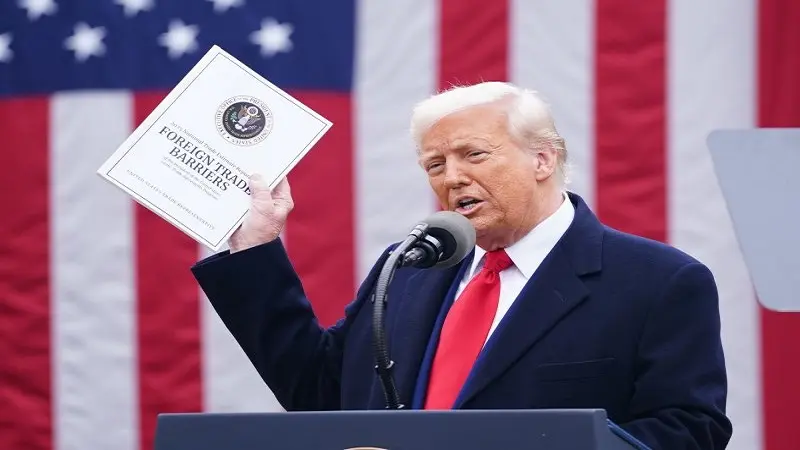
The Trump Make America Beautiful Again Commission also has a political meaning. It is one of the few environmental actions from a president identified with the rollback of regulations so as to balance economic progress with ecological concerns.
Linking to Roosevelt’s Conservation Legacy:
The commission explicitly invokes the historically significant conservationist Theodore Roosevelt. In doing so, the Trump Make America Beautiful Again Commission places its efforts within a long-standing American tradition of responsible land stewardship.
This connection reinforces the commission’s emphasis on voluntary conservation and practical management over regulatory overreach. It creates a sense of continuity that appeals to those who value both historical precedent and sustainable environmental practice.
Challenges and Criticisms:
However, the Trump Make America Beautiful Again Commission does face some hurdles. Critics question whether ecological protection can be adequately achieved through voluntary conservation programs without more stringent enforcement.
Funding remains another concern: while recreation and conservation can drive economic growth, the long-term maintenance of public lands often requires substantial public investment. The commission’s eventual success will be a function of balancing ambition with resources and practical implementation.
Potential Impact on Public Lands:
If it succeeded, the Trump Make America Beautiful Again Commission would have expanded recreational opportunities and enhanced ecological conditions across America. Improved access to parks and rivers could increase public exposure to nature while bolstering local economies.
By coordinating federal and state efforts, the commission has the potential to expedite restoration projects, enhance wildlife habitats, and improve water quality. Its impact on public lands could set a new standard for how conservation initiatives are designed and executed in the United States.
Conclusion:
A Vision for the Future: The Trump Make America Beautiful Again Commission represents a vision that weaves together conservation, economic growth, and public engagement. Through its emphasis on scientific management, voluntary partnerships, and expanded access.
Success in the long term will hinge on effective implementation, open monitoring, and sustainable funding. If done well, the commission has the potential for a lasting legacy that proves environmental stewardship and economic development can go hand in glove.
FAQs?
1. What is the Trump Make America Beautiful Again Commission?
The Trump Make America Beautiful Again Commission is a federal initiative established to restore public lands, improve conservation efforts, and expand recreational access. It combines scientific management with voluntary programs to balance environmental protection and economic growth.
2. Who leads the Trump Make America Beautiful Again Commission?
The commission is led by top federal officials, including the Secretary of the Interior and other agency heads. It also includes environmental and economic advisors to ensure coordinated policies across public lands and conservation programs.
3. What are the main goals of the commission?
The commission focuses on three key goals:
1:Protecting and restoring forests, rivers, and wildlife habitats
2:Expanding public access to national parks and recreational areas
3:Promoting economic growth through outdoor recreation and conservation jobs
4. How does the commission plan to conserve public lands?
Conservation under the commission relies on scientific research, active land management, and voluntary programs with states, communities, and private stakeholders. Practices include controlled forest management, wildlife habitat restoration, and water quality improvements.
5. Does the commission create jobs?
Yes. By promoting outdoor recreation and conservation programs, the Trump Make America Beautiful Again Commission supports local economies and generates employment, particularly in rural areas dependent on tourism and natural resource management.
About the Author


